A Parks Path guide

The 10 Best National Park Road Trips

Ten routes you can actually drive — from a compact week in Utah to a two-week Grand Circle, Sierra granite and sequoias, a fall parkway, geysers, desert caves, and a ferry to a brick fort in the Gulf.

We read 25 of the web’s most-shared national park trip guides; the trips they recommend most, and most enthusiastically, rise to the top. Distances, trail numbers, fees, and 2026 entry rules come from the National Park Service. Drive times marked “approx.” are published figures or no-traffic estimates.

The ranking

The 10 trips, one by one

Each card is a ready-made plan: the route, a day-by-day timeline, what not to miss, and whether the annual pass pays off.

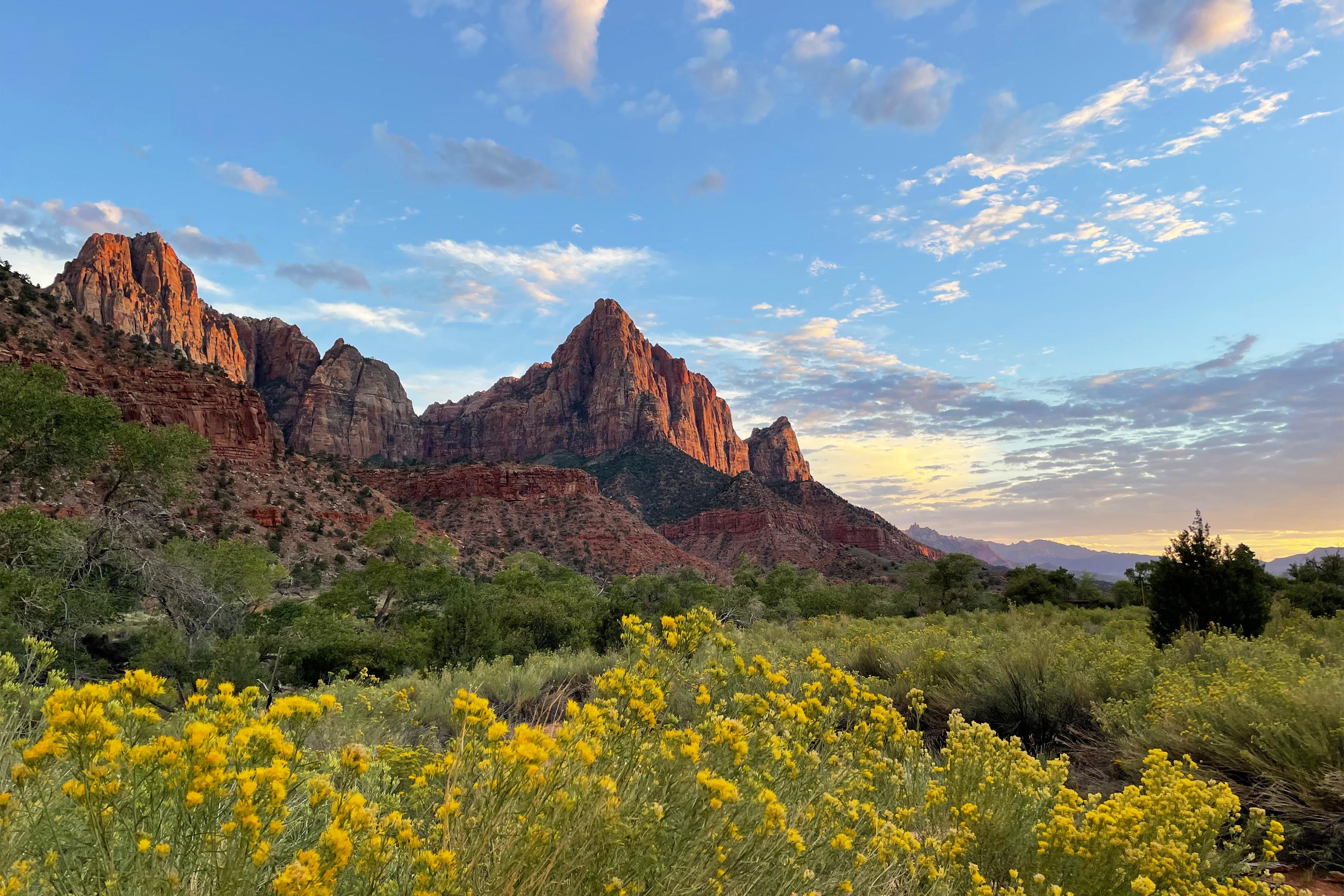
The Watchman rising above Zion Canyon's south entrance
1

Photo: NPS / Shane Carte

Utah's Mighty 5

Recommended by 8 guides

ZionBryce CanyonCapitol ReefArchesCanyonlands
HubLAS → SLC (or the reverse)A one-way rental matches the line of parks
Length8 daysShorter 6–7 · Longer 10
Best seasonApr–May & Sep–OctAvoid midsummer heat at Zion and Moab
Annual passPays off$150 in fees vs. the $80 pass

The route

LASZionBryceCapitol ReefCanyonlandsArchesSLC
Approximate locations of parks and airports. Not to official-map scale. Drive times on the timeline are published figures or no-traffic estimates.

Day by day

  1. Day 1Springdaleapprox. 2.5–3.5 hr from Las Vegas
  2. Day 2Zion Canyonstay put
  3. Day 3Bryce Canyonapprox. 85 miles, under 2 hr
  4. Day 4Torrey, via Byway 12approx. 3 hr
  5. Day 5Capitol Reeflocal drives
  6. Day 6Moab & Island in the Skyapprox. 3 hr 10 min to Moab
  7. Day 7Archeslocal; Devils Garden about 45 min from the visitor center
  8. Day 8Salt Lake Cityapprox. 3.5–5 hr

Don't miss

  • Angels Landing, 5.4 miles round trip, 1,488 ft (permit past Scout Lookout)
  • The Narrows, 9.4 miles round trip via Riverside Walk, when the river is safe
  • Queen's Garden / Navajo Loop, 2.9 miles, 625 ft
  • Hickman Bridge, 0.9 mile one way, 400 ft, to a 133-foot span
  • Mesa Arch, 0.6 mile · Grand View Point, 1.8 miles
  • Delicate Arch, 3 miles, 480 ft · Landscape Arch, 1.9 miles, 306-ft opening

Which trip is right for you

Pick this over #2 if you have about a week and the Grand Canyon can wait.

Pick #2 if the Grand Canyon is a must, or you have closer to two weeks.

Pros

  • Five very different parks in one compact Utah drive
  • A trip you can finish in a week to 10 days
  • The $80 annual pass pays for itself ($150 in entrance fees)
  • No park-wide timed entry ticket in 2026

Cons

  • Summer heat at Zion and Moab can make midday hiking unsafe
  • Popular trailheads, the Zion shuttle, and Moab rooms fill early
  • Angels Landing needs a permit; the Narrows depends on the river
  • A one-way rental between two airports adds cost

Where to stay

Zion Lodge or Springdale; Bryce Canyon Lodge or Bryce Canyon City; Fruita Campground or Torrey; Moab (Devils Garden is the only campground in Arches — book the busy-season window on Recreation.gov). In-park lodges and the best campgrounds often go the morning reservations open.

2026 entry & the annual pass

No park-wide timed entry in 2026. Reserve an Angels Landing permit (lottery), and expect the Zion Canyon shuttle in busy months. Fiery Furnace and Devils Garden Campground still use reservations. The $80 America the Beautiful pass pays off: the five park entrance fees add up to $150, a $70 savings. Non-U.S. residents also owe a $100-per-person fee at Zion and Bryce unless a valid annual pass covers them.

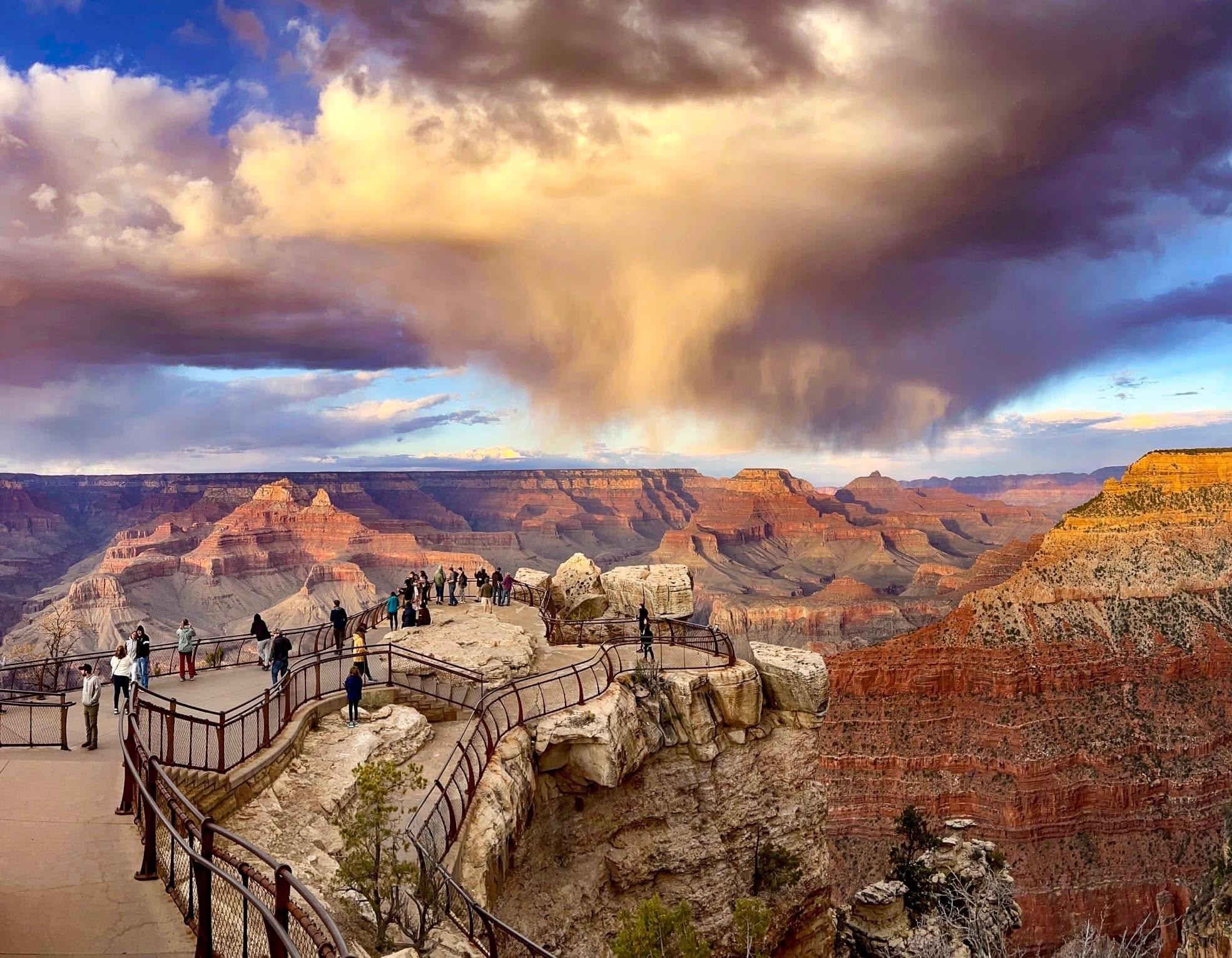
The Grand Canyon from the South Rim
2

Photo: NPS / M. Quinn

The Grand Circle

Recommended by 6 guides

ZionBryce CanyonCapitol ReefArchesCanyonlandsGrand Canyon
HubLAS loop (or Phoenix)A Las Vegas loop returns you to the same airport
Length12 daysShorter 8–10 · Longer 15
Best seasonApr–May & Sep–OctMidsummer inner-canyon heat is serious
Annual passPays off$185+ in fees vs. the $80 pass

The route

LASZionBryceCapitol ReefCanyonlandsArchesMonument ValleyPageGrand Canyon
Approximate locations of parks and airports. Not to official-map scale. Drive times on the timeline are published figures or no-traffic estimates.

Day by day

  1. Day 1Springdale / Zionapprox. 2.5–3.5 hr from Las Vegas
  2. Day 2Zion Canyonstay put
  3. Day 3Bryce Canyonapprox. 85 miles, under 2 hr
  4. Day 4Torrey, via Byway 12approx. 3 hr
  5. Day 5Capitol Reef to Moabapprox. 3 hr 10 min
  6. Day 6Island in the Skyapprox. 55 min from Moab
  7. Day 7Archeslocal
  8. Day 8Monument Valleyapprox. 3 hr 15 min from Moab
  9. Day 9Pageapprox. 2 hr 40 min
  10. Day 10South Rimapprox. 3 hr 10 min from Page
  11. Day 11South Rim daystay put
  12. Day 12Back to Las Vegasapprox. 5 hr 15 min

Don't miss

  • Everything on the Mighty 5 list, plus the South Rim
  • Mather Point and the Village Rim Trail
  • Bright Angel Trail to Mile-and-a-Half Resthouse, 1.6 miles one way
  • South Kaibab Trail to Cedar Ridge, 1.5 miles one way
  • The river is 7.8 miles and 4,460 ft down Bright Angel — not a standard day hike
  • Plan this at the South Rim in 2026; the North Rim lodge was lost to fire in 2025

Which trip is right for you

Pick this over #3 if the Grand Canyon belongs on this trip and you have 10–14 days.

Pick #3 if you'd rather walk among granite and giant sequoias than add another desert rim.

Pros

  • The most famous Southwest parks, including the Grand Canyon, in one loop
  • A clear Las Vegas circuit with 10- to 15-day published shapes
  • The $80 annual pass pays off easily ($185 and up in entrance fees)
  • Utah's five rock landscapes, plus Monument Valley and a rim day

Cons

  • It needs more days than the Mighty 5; a single week feels rushed
  • Longer days in the car, including five-plus hours back to Las Vegas
  • Midsummer heat and inner-canyon hiking can be dangerous
  • The North Rim is not a normal lodge-and-trail stop in 2026

Where to stay

Same Utah bases as the Mighty 5, plus rooms near Monument Valley and Page. On the South Rim: El Tovar, Bright Angel Lodge, Maswik, and other Village lodges; Mather Campground; or Tusayan, Williams, and Flagstaff. Book South Rim lodges the morning the window opens. Do not plan 2026 nights at Grand Canyon Lodge on the North Rim.

2026 entry & the annual pass

Utah rules match the Mighty 5. The Grand Canyon had no park-wide timed entry in 2026; overnight trips below the rim still need a backcountry permit. Use the South Rim. The North Rim lodge was destroyed in the July 2025 Dragon Bravo Fire, many trails were closed, and the campground was shut for the 2026 season. The $80 pass pays off: the core loop's entrance fees total $185. A $100-per-person nonresident fee applies at Zion, Bryce, and Grand Canyon unless a valid annual pass covers you. Monument Valley and Antelope Canyon are not covered by the pass.

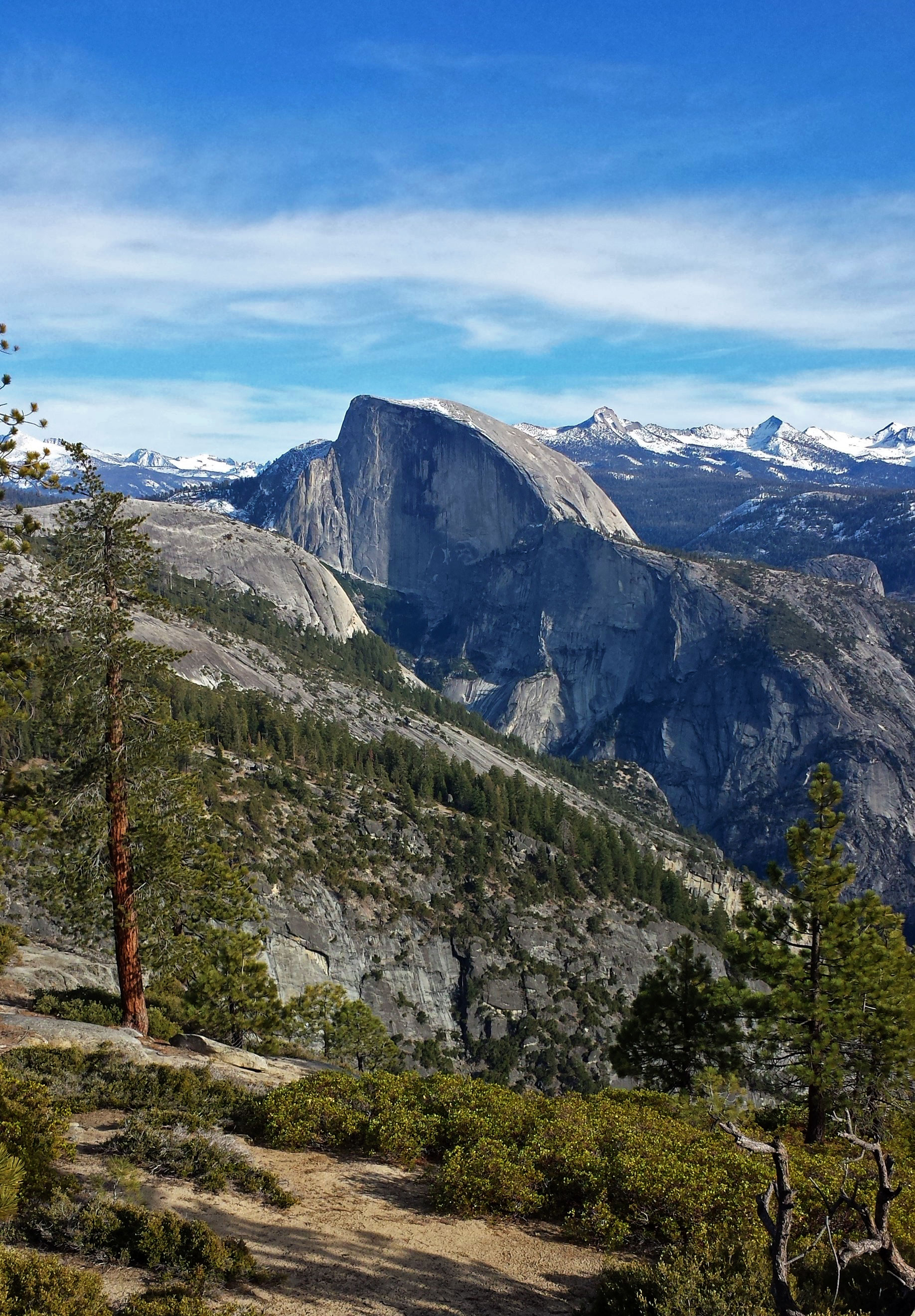
Yosemite Valley
3

Photo: NPS / Cindy Jacoby

California Parks Loop

Recommended by 4 guides

YosemiteSequoiaKings Canyon
HubFAT (or the Bay Area)Start in Las Vegas if you add Death Valley
Length8 daysShorter 5–6 · Longer 10–12 with Death Valley
Best seasonLate spring & fallSummer is best for high Sierra roads
Annual passOptional$70 for the Sierra core; pays off if you add Death Valley

The route

FATYosemiteKings CanyonSequoia
Approximate locations of parks and airports. Not to official-map scale. Drive times on the timeline are published figures or no-traffic estimates.

Day by day

  1. Day 1Yosemite Valleyapprox. 2.5 hr from Fresno
  2. Day 2Valley iconsstay put
  3. Day 3A bigger Yosemite hikestay put
  4. Day 4Transfer to Sequoiaa half-day drive; allow the afternoon
  5. Day 5Giant Forestlocal
  6. Day 6Kings CanyonScenic Byway when open
  7. Day 7Buffer day in the sequoiaslocal
  8. Day 8Out through Fresno or Visaliareturn to FAT

Don't miss

  • Tunnel View · Bridalveil Fall, 0.5 mile, 80 ft · Lower Yosemite Fall, 1-mile loop
  • Mist Trail, 1.6–8 miles, 400–2,000 ft · Yosemite Falls Trail, 2.0 or 7.2 miles
  • Half Dome, 14–16.4 miles, 4,800 ft — permit required
  • General Sherman Tree, 274.9 ft tall; Main Trail 0.5 mile one way
  • Congress Trail, a paved 2-mile loop · Big Trees Trail, 1 mile
  • General Grant Tree and the Kings Canyon Scenic Byway, when open

Which trip is right for you

Pick this over #4 if granite, waterfalls, and giant sequoias are the point of the trip.

Pick #4 if you want a fall-color parkway drive you can start from the East without a Sierra snow-road gamble.

Pros

  • Granite walls, waterfalls, and the world's largest trees in one trip
  • Official walks for every pace, from a half-mile waterfall to a long dome hike
  • A natural Fresno or Bay Area start
  • Sequoia and Kings Canyon share one entrance fee

Cons

  • Yosemite Valley parking and traffic are a project even without a 2026 entry reservation
  • High roads close in winter; Death Valley to Yosemite is a very long transfer (about 410 miles / 10.5 hr, estimated)
  • The $80 pass does not pay for itself on Yosemite plus Sequoia & Kings Canyon alone ($70)
  • A 3-day version is only a taste, not a full trip

Where to stay

Yosemite Valley: The Ahwahnee, Yosemite Valley Lodge, Curry Village, Housekeeping Camp, or Valley campgrounds — book the morning the window opens. Gateways: El Portal, Mariposa, Oakhurst, Groveland. Sequoia: Wuksachi Lodge, Lodgepole campgrounds, or Three Rivers. Kings Canyon: John Muir Lodge and Grant Grove Cabins; Cedar Grove is seasonal.

2026 entry & the annual pass

Yosemite had no park-wide entry reservation in 2026; you still need lodging, campground, and Half Dome or wilderness permits. Arrive before 9 a.m. or after 5 p.m. in spring through fall. Sequoia & Kings Canyon had no timed-entry ticket; a seasonal shuttle serves part of the Giant Forest. Sierra-core fees total $70, so the $80 pass does not quite pay off unless you add Death Valley ($30) or another park. Yosemite and Sequoia & Kings Canyon are on the 2026 nonresident-fee list.

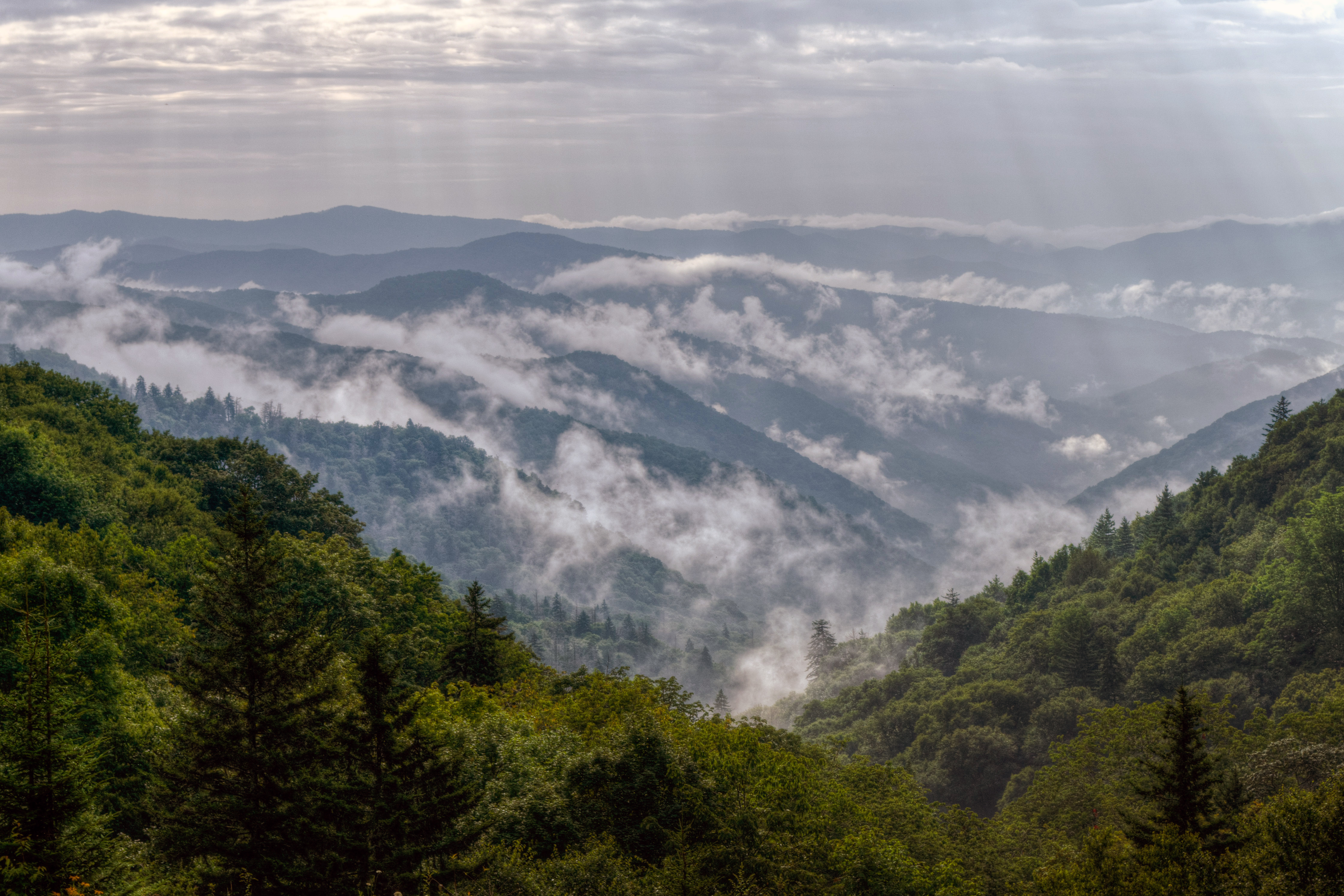
Great Smoky Mountains
4

Photo: Kristina Plaas / NPS

Blue Ridge & the Smokies

Recommended by 3 guides

Great Smoky MountainsShenandoah
HubAVL or TYS → IAD or RICAdd Portland, Maine, if you continue to Acadia
Length6 daysShorter 5 · Longer 8 with Acadia
Best seasonOctoberSeptember and early November are quieter
Annual passOptionalSmokies have no entrance fee; the pass won't replace a parking tag

The route

AVLSmokiesShenandoahIAD
Approximate locations of parks and airports. Not to official-map scale. Drive times on the timeline are published figures or no-traffic estimates.

Day by day

  1. Day 1Townsend, Gatlinburg, or Cherokeeapprox. 2 hr from Asheville
  2. Day 2Cades Cove11-mile loop; allow 2–4 hours
  3. Day 3Newfound Gap Road, then Ashevillecross-park drive
  4. Day 4Blue Ridge Parkway toward Shenandoahscenic transfer (about 469 miles for the whole 5-day core)
  5. Day 5Skyline Drive105 miles end to end; take it slow
  6. Day 6North district, then fly outtoward Front Royal and D.C. or Richmond

Don't miss

  • Cades Cove Loop Road, 11 miles one way; allow 2–4 hours
  • No cars on the loop on typical May–September Wednesdays
  • Newfound Gap Road · Kuwohi (formerly Clingmans Dome) if the road is open
  • Skyline Drive, 105 miles, with overlook walks and one official hike
  • Check current ticket rules for hikes such as Old Rag before you go
  • Longer trip: Acadia's Cadillac Summit Road (reservation May 20–Oct 25, 2026, $6 plus the entrance pass)

Which trip is right for you

Pick this over #5 if you want fall color, a parkway drive, and an East Coast start.

Pick #5 if wildlife, geysers, and a big western valley sound better, and you can travel in summer or early fall.

Pros

  • The best fall-color national park drive in this set, in 5–6 days
  • Easy to reach from the East, with airports at both ends
  • Cades Cove and Skyline Drive work even if you're not a long-distance hiker
  • The Smokies have no entrance fee (you still need a parking tag)

Cons

  • October weekends can stall Cades Cove and fill overlooks
  • The $80 pass does not pay for itself here, and it will not replace a Smokies parking tag
  • Parkway days are longer and less park-dense than Utah's Mighty 5
  • Winter storms can close high roads; summer Wednesdays take cars off Cades Cove

Where to stay

Smokies: Cades Cove, Elkmont, or Smokemont campgrounds, or Townsend (quieter, close to the cove), Gatlinburg, Cherokee, or Bryson City. Midpoint: Asheville. Shenandoah: Skyland or Big Meadows lodges, park campgrounds, or Front Royal, Luray, and Waynesboro. Book fall weekends the morning windows open.

2026 entry & the annual pass

The Smokies have no entrance fee and no timed entry, but a parking tag is required to park more than 15 minutes: $5 a day, $15 a week, or $40 a year. The annual pass does not replace it. Shenandoah is $30 per vehicle; confirm any day-use tickets (Old Rag has required them in recent years). Core entrance fees are just $30 plus parking tags, so the $80 pass does not pay off unless you add Acadia ($35) or more parks.

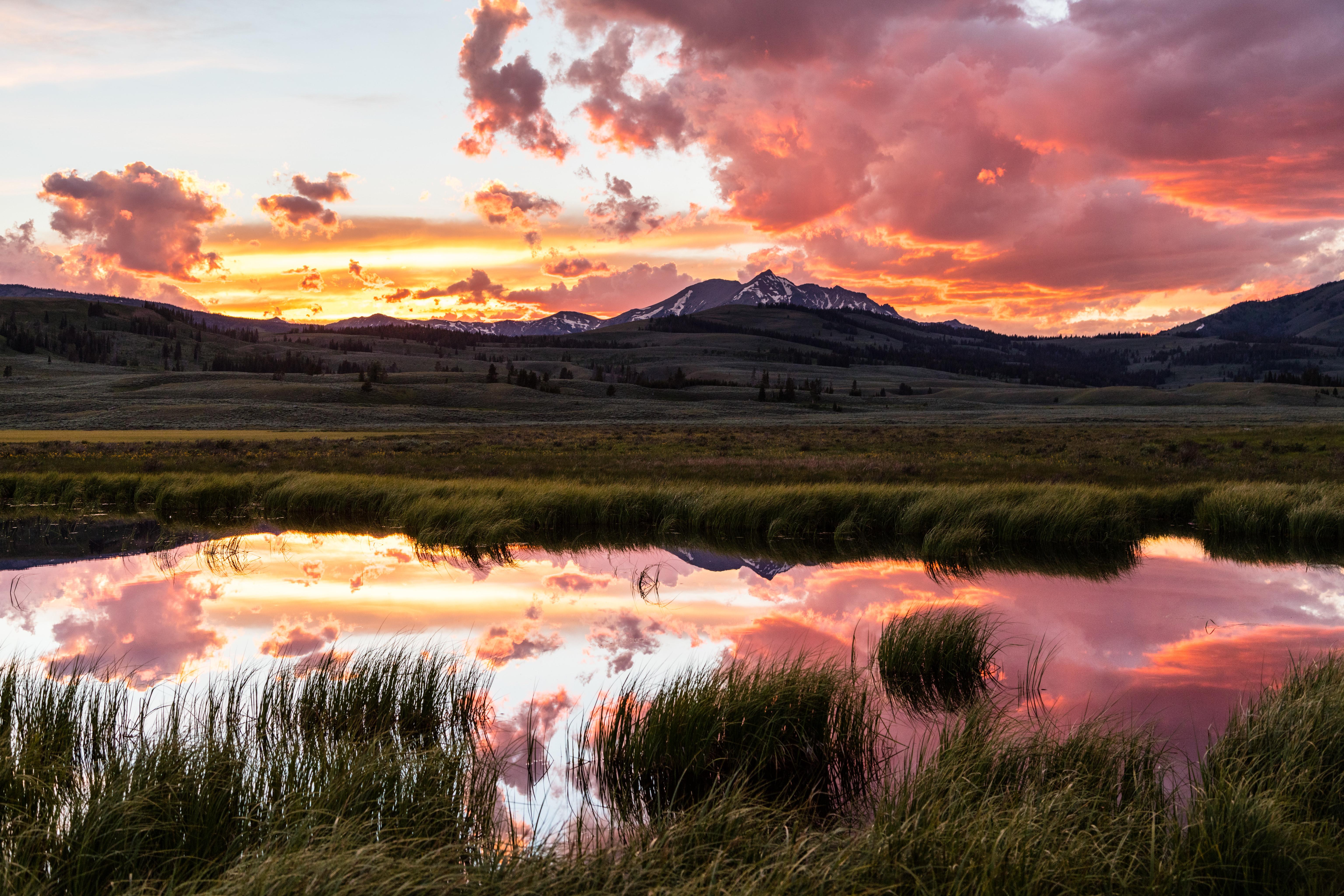
Sunset behind Electric Peak in Yellowstone
5

Photo: NPS / Jacob W. Frank

Greater Yellowstone

Recommended by 3 guides

YellowstoneGrand Teton
HubJAC (or BZN, WYS, or COD)A one-way flight can match your exit gate
Length8 daysShorter 6–7 · Longer 10–14 with Glacier
Best seasonLate June–mid-SeptemberEarly fall is good for the elk rut
Annual passOptional$70 for two parks; pays off if you add Glacier

The route

JACGrand TetonYellowstone
Approximate locations of parks and airports. Not to official-map scale. Drive times on the timeline are published figures or no-traffic estimates.

Day by day

  1. Day 1Jackson / Grand Tetonapprox. 15–20 min from the airport
  2. Day 2Jenny Lake & Teton Park Roadlocal
  3. Day 3Into Yellowstone at the South Entrancea short park-to-park drive, often slower than it looks
  4. Day 4Geyser basinsOld Faithful and Grand Prismatic
  5. Day 5Grand Canyon of the YellowstoneArtist Point and the canyon overlooks
  6. Day 6Lamar Valley or Mammotha longer interior drive
  7. Day 7Buffer day, or back through Grand Tetonstay flexible for wildlife jams
  8. Day 8Fly out of JAC, BZN, or CODto your chosen airport

Don't miss

  • Jenny Lake, Mormon Row, Signal Mountain, Teton Park Road
  • Old Faithful and the Upper Geyser Basin boardwalks
  • Grand Prismatic Spring — stay on official boardwalks
  • Grand Canyon of the Yellowstone at Artist Point
  • A wildlife outing in Lamar or Hayden Valley
  • Optional: Glacier's Going-to-the-Sun Road, when it is open

Which trip is right for you

Pick this over #6 if you can travel in summer or early fall and want geysers and wildlife.

Pick #6 if you're traveling in winter or spring and would rather have dunes, a cave, and a desert river canyon.

Pros

  • Two adjoining parks that feel like one greater ecosystem
  • Geysers, a sudden mountain skyline, and some of the best wildlife watching in the lower 48
  • Flexible airports and a natural add-on to Glacier
  • No park-wide timed entry at Yellowstone or Teton in 2026

Cons

  • This is a seasonal road trip; winter is a different kind of visit
  • Interior driving is slower than the map suggests, and summer parking is tight
  • The $80 pass does not pay for itself on these two parks alone ($70)
  • Adding Glacier turns a tidy loop into a much longer trip

Where to stay

Grand Teton: Jenny Lake Lodge, Jackson Lake Lodge, Colter Bay, Signal Mountain Lodge, or Jackson. Yellowstone: Old Faithful Inn or Snow Lodge, Canyon Lodge, Lake, Grant Village, Mammoth, or Roosevelt, plus reserved campgrounds. Gateways: West Yellowstone, Gardiner, Cooke City, Cody. Book the morning windows open.

2026 entry & the annual pass

No park-wide timed entry at Yellowstone or Teton in 2026; lodges and popular campgrounds still need early reservations. Glacier, if you add it, did not require a vehicle reservation in 2026 — it used a ticketed Logan Pass shuttle and parking time limits. Entrance fees: $35 + $35 = $70, so the $80 pass does not quite pay off unless you add Glacier ($35 more) or another park. All three are on the 2026 nonresident-fee list.
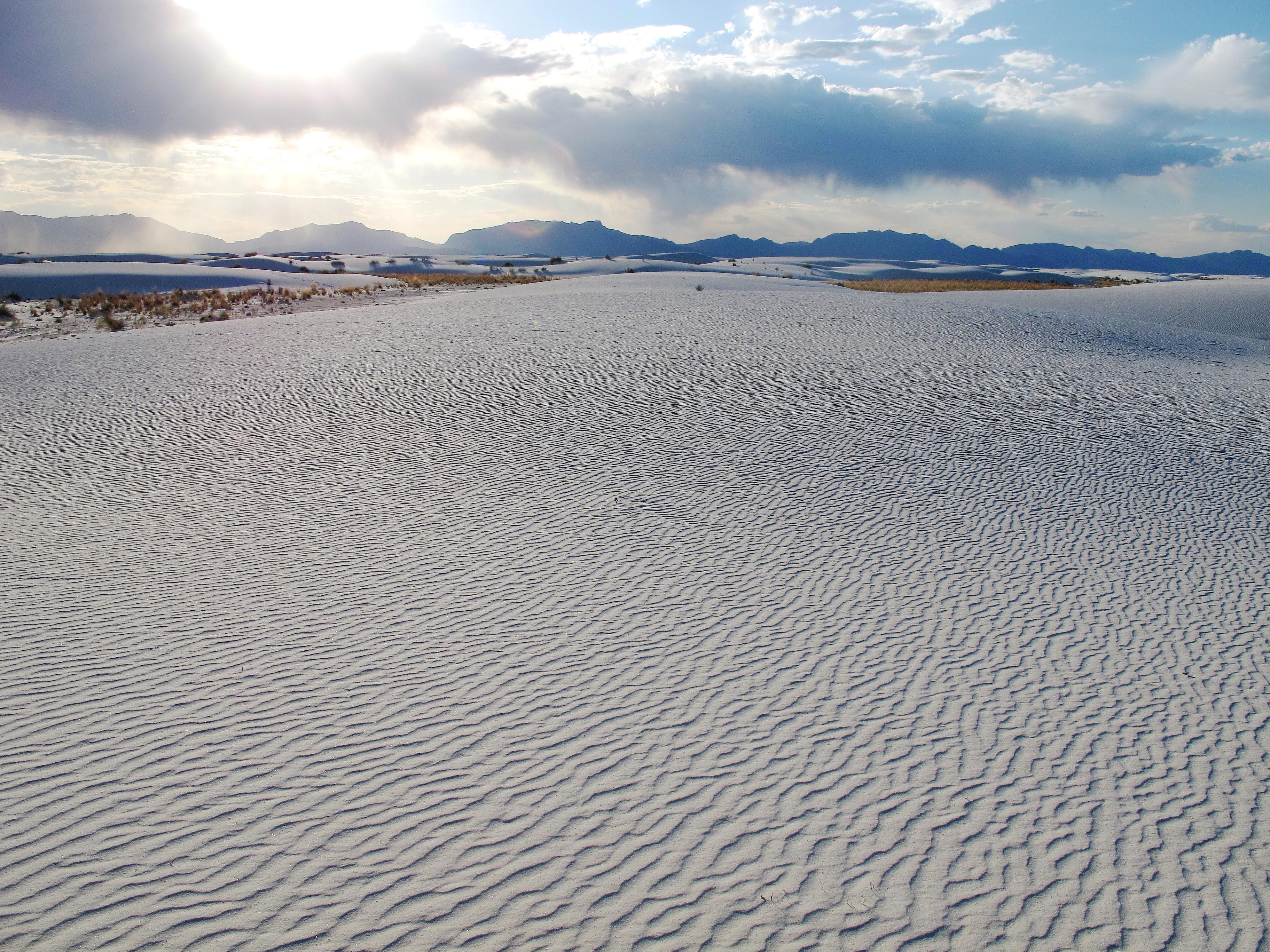
Sunset at White Sands
6

Photo: NPS

New Mexico to Texas

Recommended by 3 guides

White SandsCarlsbad CavernsGuadalupe MountainsBig Bend
HubELP (or Albuquerque in)Midland or El Paso out after Big Bend
Length6 daysShorter 4–5 · Longer 8–9
Best seasonNovember–MarchLate October and April are good shoulders
Annual passPays off$105 for two adults, because two parks charge per person

The route

ELPWhite SandsGuadalupeCarlsbadBig Bend
Approximate locations of parks and airports. Not to official-map scale. Drive times on the timeline are published figures or no-traffic estimates.

Day by day

  1. Day 1White Sandsapprox. 2 hr from El Paso (about 4 hr 20 min from Albuquerque)
  2. Day 2On to Carlsbada desert highway transfer
  3. Day 3Carlsbad Caverns & Guadalupe Mountainsa short hop across the Texas line
  4. Day 4Transfer to Big Benda full travel day — not a two-hour hop
  5. Day 5Big BendChisos Basin or the river, not both at a sprint
  6. Day 6A last morning, then outleave earlier than you think toward ELP or Midland

Don't miss

  • The White Sands dune field, on marked routes
  • A reserved entry into Carlsbad Caverns (Natural Entrance and Big Room, when open)
  • A Guadalupe hike that matches your energy — don't add Guadalupe Peak casually after a morning in the cave
  • McKittrick Canyon in season (check hours)
  • Chisos Basin, Ross Maxwell Scenic Drive, and Santa Elena Canyon

Which trip is right for you

Pick this over #7 if you're traveling in the cool months and want desert, dunes, and a cave.

Pick #7 if you can go in midsummer and want rain forest, a volcano, and alpine peaks from Seattle.

Pros

  • Four different desert parks, including dunes and a cave you won't find on the Utah loop
  • A strong cool-season trip when northern parks are snowed in
  • The $80 pass pays off for two or more adults (Carlsbad and Guadalupe charge per person)
  • No 2026 nonresident surcharge at these four parks

Cons

  • Big Bend is a long transfer from the other three; four days only samples it
  • Summer heat can make the surface parks unsafe at midday
  • The cavern visit depends on a timed reservation
  • Fuel, food, and rooms around Guadalupe and Big Bend take more planning than Moab

Where to stay

White Sands: Alamogordo or Las Cruces (no in-park lodge). Carlsbad or White's City for the caverns. Guadalupe: Pine Springs campgrounds; rooms are scarce. Big Bend: Chisos Mountains Lodge (book at window open), park campgrounds, or Terlingua and Study Butte.

2026 entry & the annual pass

No park-wide timed entry at White Sands, Guadalupe, or Big Bend. Carlsbad Caverns requires a timed reservation plus a $15-per-person entrance fee. For two adults in one car, entrance fees add up to $105, so the $80 pass pays off (and helps even more with a larger group). The $1 reservation fee is separate. None of these four parks had a 2026 nonresident surcharge.

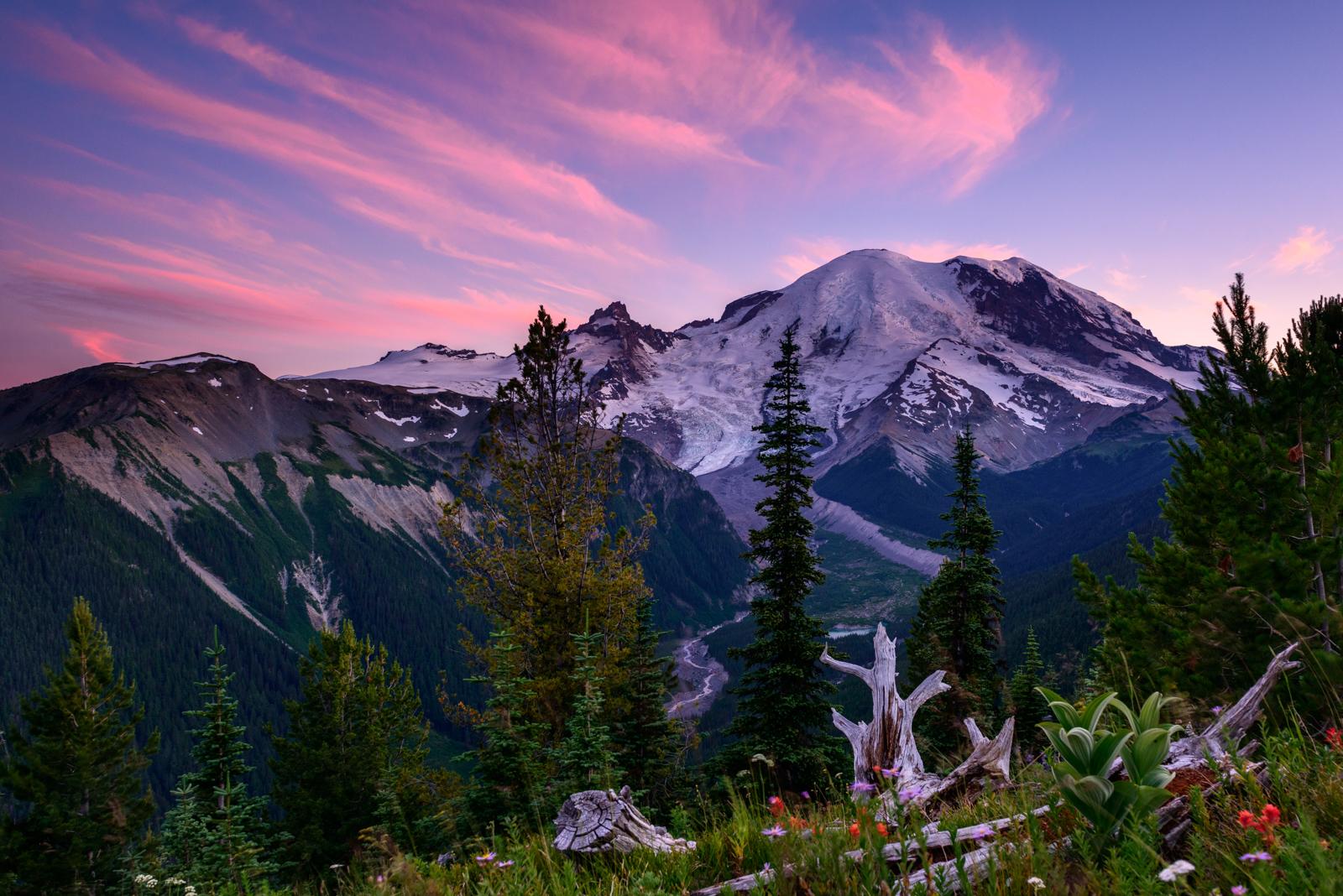
Mount Rainier from the Silver Forest Trail at Sunrise
7

Photo: JD Hascup / NPS

Pacific Northwest

Recommended by 3 guides

OlympicMount RainierNorth Cascades
HubSEAPortland also works with extra driving
Length8 daysShorter 6–7 · Longer 10
Best seasonJuly–SeptemberMid-July to early September is the sweet spot
Annual passOptional$60 in entrance fees (North Cascades is free)

The route

SEAOlympicRainierN. Cascades
Approximate locations of parks and airports. Not to official-map scale. Drive times on the timeline are published figures or no-traffic estimates.

Day by day

  1. Day 1Port Angelesapprox. 3 hr from Seattle
  2. Day 2Hurricane Ridgethe ridge road can close even in season
  3. Day 3Hoh Rain Forest & the coasta repositioning day, not a quick detour
  4. Day 4Over to Mount Rainiera half-day transfer to Ashford / Paradise
  5. Day 5Paradise (and Sunrise if the road is open)local
  6. Day 6Toward North Cascadesconfirm Highway 20 is open
  7. Day 7Diablo Lake & Highway 20scenic driving
  8. Day 8Back to Seattlereturn to SEA

Don't miss

  • Hurricane Ridge and its official ridge trails (including Hurricane Hill, if open)
  • Hoh Rain Forest
  • A wild ocean beach such as Rialto — treat ridge, rain forest, and coast as three destinations
  • Paradise in wildflower season · Sunrise if the road is open
  • Diablo Lake Overlook and the North Cascades Highway, when open

Which trip is right for you

Pick this over #8 if you can travel in midsummer and want green mountains from Seattle.

Pick #8 if you're traveling in winter or spring and want Joshua trees, Death Valley, and the Grand Canyon from Las Vegas.

Pros

  • Rain forest, coast, a volcano, and alpine peaks on one Seattle loop
  • About 600 miles in 7–10 days — tighter than most intermountain trips
  • No Rainier timed entry in 2026, and no entrance fee at North Cascades
  • Wonderful midsummer meadows when the high roads are open

Cons

  • The reliable high-country season is short, roughly July–September
  • Olympic is a multi-day park; don't squeeze ridge, rain forest, and coast into one day
  • The $80 pass does not pay for itself on these entrance fees alone ($60)
  • Weather can close Hurricane Ridge or Highway 20 even in season

Where to stay

Olympic: Port Angeles for Hurricane Ridge; Forks or the Hoh / Kalaloch / Mora area for rain forest and coast. Rainier: Paradise Inn or National Park Inn at Longmire, in season, or Ashford. North Cascades has no large in-park lodge system — use Newhalem-area camping or rooms in Marblemount, Winthrop, or Mazama. Book summer weekends early.

2026 entry & the annual pass

No timed entry at Rainier in 2026, no park-wide timed entry at Olympic, and no entrance fee at North Cascades. Highway 20, Hurricane Ridge, and Sunrise status are the real constraints. Fees: $30 + $30 + $0 = $60, so the $80 pass does not pay for itself on this loop alone. None of these three parks is on the 2026 nonresident-fee list.
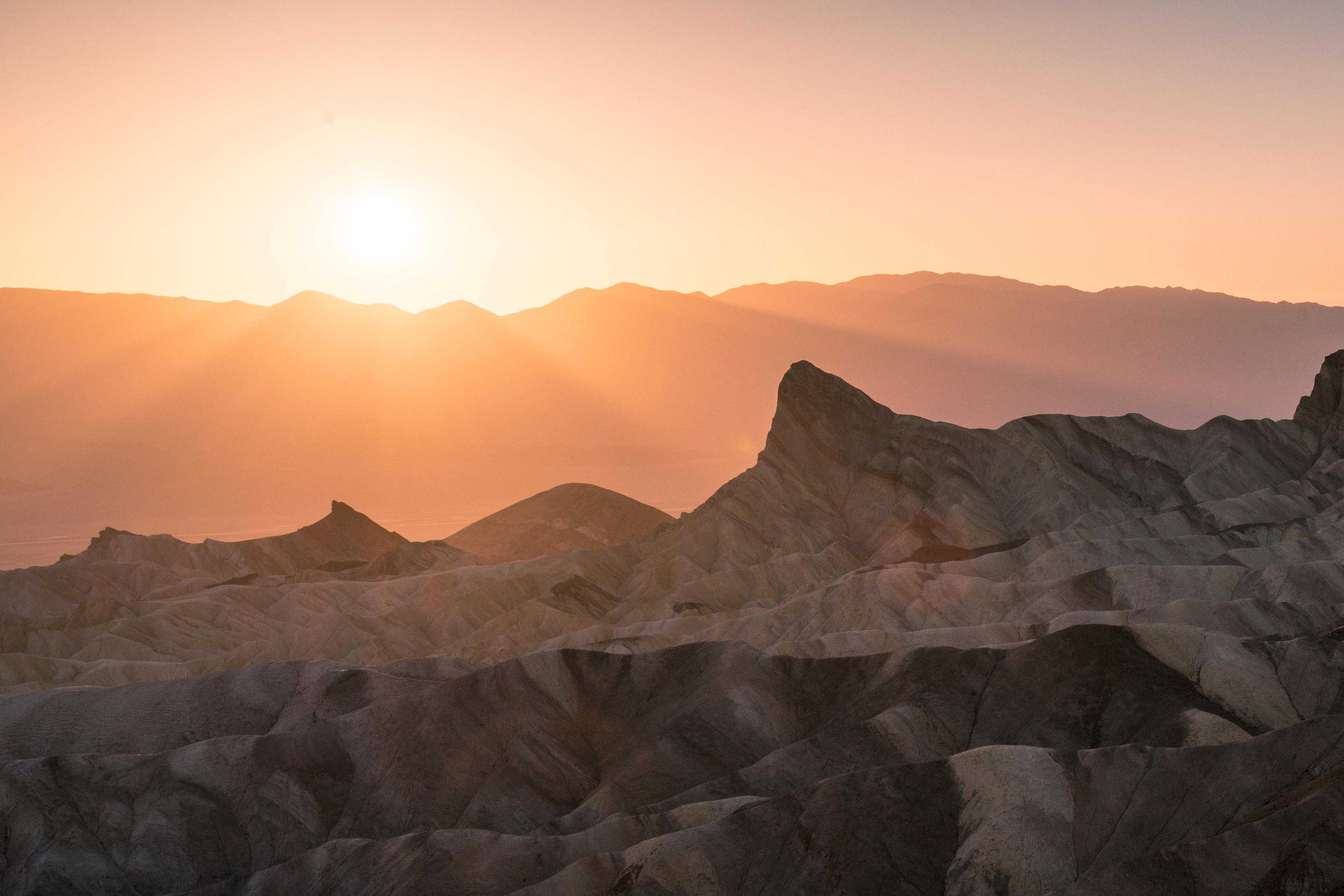
Sunset on the badlands at Zabriskie Point, Death Valley
8

Photo: Ronald Gaddis / NPS

Desert Southwest

Recommended by 2 guides

Joshua TreeDeath ValleyGrand Canyon
HubLASPalm Springs is closer if you start at Joshua Tree
Length8 daysShorter 6–7 · Longer 10
Best seasonNovember–MarchLate October and April if you hike early
Annual passPays off$95 in fees vs. the $80 pass

The route

LASJoshua TreeDeath ValleyGrand Canyon
Approximate locations of parks and airports. Not to official-map scale. Drive times on the timeline are published figures or no-traffic estimates.

Day by day

  1. Day 1Joshua Treeapprox. 4.5 hr from Las Vegas, or under 1 hr from Palm Springs
  2. Day 2Joshua Tree dayHidden Valley, Barker Dam, Keys View
  3. Day 3Transfer to Death Valleya full desert drive — fill the tank
  4. Day 4Death ValleyBadwater, Zabriskie, and one more stop in the cool hours
  5. Day 5Toward Las Vegas or Arizonadon't stack a long morning with a late rim arrival
  6. Day 6South Rimfirst walk at Mather Point
  7. Day 7South Rim daystay put
  8. Day 8Back to Las Vegasapprox. 5 hr 15 min

Don't miss

  • Hidden Valley, Barker Dam, Keys View, Jumbo Rocks — start at dawn in warm months
  • Badwater Basin, 282 feet below sea level — the lowest point in North America
  • Zabriskie Point, Artists Drive, Mesquite Flat Dunes
  • Mather Point and the South Rim Trail
  • A short descent to Mile-and-a-Half Resthouse (1.6 miles) or Cedar Ridge (1.5 miles), if you're prepared

Which trip is right for you

Pick this over #9 if you want a winter Las Vegas loop that ends at the Grand Canyon.

Pick #9 if you'd rather have badlands, a cave tour, and bison on a late-spring or early-fall Plains drive.

Pros

  • A clear Las Vegas hub and a stark contrast from desert gardens to the rim
  • Excellent in winter, when many mountain parks are closed or limited
  • The $80 annual pass pays off ($95 in entrance fees)
  • Each park has official highlights you can reach without technical hiking

Cons

  • Summer heat, especially in Death Valley, can be dangerous
  • About 800 miles of driving in the usual 7- to 10-day version
  • Joshua Tree and Death Valley have fewer in-park lodges than Yosemite or Yellowstone
  • The North Rim is not a normal 2026 backup if the South Rim is full

Where to stay

Joshua Tree: in-park campgrounds (Jumbo Rocks, Hidden Valley, and others) or the towns of Joshua Tree, Twentynine Palms, and Yucca Valley. Death Valley: the Inn or Ranch at Furnace Creek, Stovepipe Wells, or Beatty and Pahrump. South Rim: the Village lodges and Mather Campground, or Tusayan, Williams, and Flagstaff. Book early.

2026 entry & the annual pass

No park-wide timed entry at Joshua Tree, Death Valley, or Grand Canyon in 2026. Joshua Tree campgrounds fill on winter weekends. Plan the Canyon at the South Rim; the North Rim remains limited after the 2025 fire. Fees: $30 + $30 + $35 = $95, so the $80 pass pays off (saving $15). Grand Canyon is on the 2026 nonresident-fee list; the other two are not.

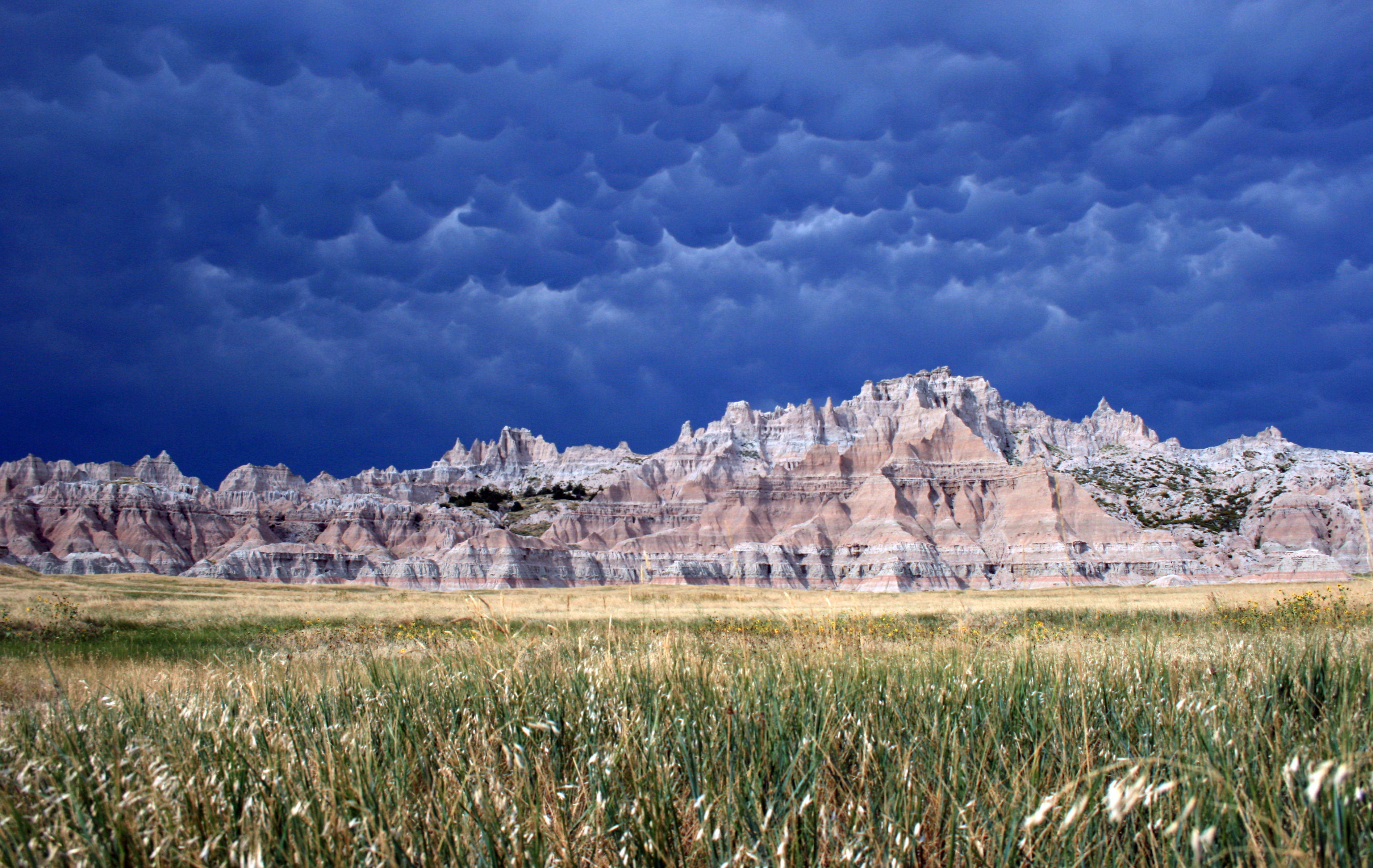
Storm light over Badlands National Park
9

Photo: NPS

The Dakotas

Recommended by 2 guides

BadlandsWind CaveTheodore Roosevelt
HubRAPTheodore Roosevelt is a longer drive north
Length6 daysShorter 5 · Longer 7–8
Best seasonLate spring & early fallSummer afternoons bring heat and thunderstorms
Annual passOptional$60 in entrance fees; the pass does not cover cave tours

The route

RAPBadlandsWind CaveTheodore Roosevelt
Approximate locations of parks and airports. Not to official-map scale. Drive times on the timeline are published figures or no-traffic estimates.

Day by day

  1. Day 1Badlandsapprox. 1 hr from Rapid City
  2. Day 2Badlands scenic loopoverlooks and a short official trail
  3. Day 3Wind Cavea short Black Hills hop — book or line up a cave tour
  4. Day 4Black Hills buffer, or drive norththe long leg to Theodore Roosevelt is a transfer day
  5. Day 5Theodore Roosevelt, South Unitscenic loop and Painted Canyon
  6. Day 6Optional North Unit, then outthe return to Rapid City is a long drive

Don't miss

  • The official Badlands scenic loop and overlooks such as Pinnacles
  • A short official boardwalk or trail (for example the Fossil Exhibit area)
  • A ranger-guided tour at Wind Cave (tour fees are not covered by the annual pass)
  • A prairie walk at Wind Cave for wildlife
  • Theodore Roosevelt's South Unit loop and Painted Canyon; the North Unit if you have more days

Which trip is right for you

Pick this over #10 if you want a Plains road trip with badlands, a cave, and bison.

Pick #10 if you'd rather boat, snorkel, and take a ferry to a fort from Miami in winter.

Pros

  • Badlands, a major cave, and bison country — a Plains trip, not a copy of Utah
  • A 5- to 7-day, about 600- to 700-mile shape, starting from Rapid City
  • Scenic drives and a cave tour work well for mixed-ability groups
  • No 2026 timed entry and no nonresident surcharge at these parks

Cons

  • Theodore Roosevelt is a long way from the Rapid City parks
  • The $80 pass does not pay for itself here, and it will not buy a cave tour
  • Summer heat and thunderstorms, or winter snow, both need a plan B
  • Fewer in-park lodges than Yellowstone or the South Rim

Where to stay

Badlands: Cedar Pass Lodge, park campgrounds, or Wall, Interior, and Rapid City. Wind Cave has no large in-park lodge — use Hot Springs or Custer, or Elk Mountain Campground. Theodore Roosevelt: Medora and the park campgrounds. Book summer weekends early; rooms are limited.

2026 entry & the annual pass

No park-wide timed entry at Badlands or Theodore Roosevelt. Wind Cave has no entrance fee; you pay only for cave tours (for example, $14 for adults 16–61 on the Garden of Eden Tour in the fee table we checked). About half of tour tickets may be first-come. Entrance fees total $60, so the $80 pass does not pay off, and it does not cover tour tickets.

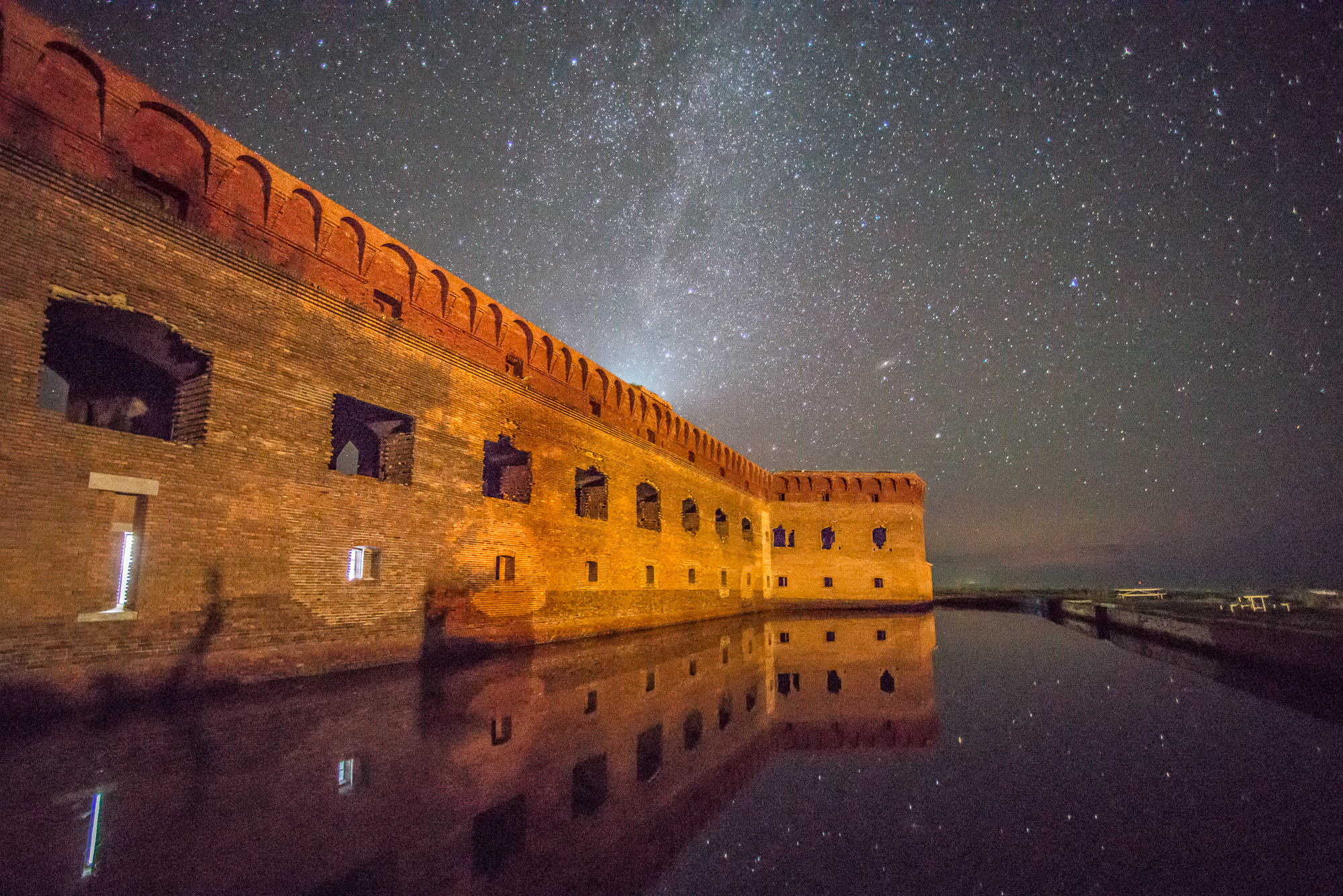
Fort Jefferson at Dry Tortugas under a night sky
10

Photo: NPS / Brett Seymour

South Florida

Recommended by 2 guides

EvergladesBiscayneDry Tortugas
HubMIA (Key West / EYW for the ferry)The Dry Tortugas day starts early from Key West
Length6 daysShorter 3 (tight with the ferry) · Longer 7–9
Best seasonDecember–MarchDry Tortugas is often pleasant into spring
Annual passOptionalAbout $65 in entrance fees for two adults; the pass never replaces the ferry ticket

The route

MIAEvergladesBiscayneEYWDry Tortugas
Approximate locations of parks and airports. Not to official-map scale. Drive times on the timeline are published figures or no-traffic estimates.

Day by day

  1. Day 1Everglades, via Homesteadapprox. 1–2 hr from Miami
  2. Day 2Deeper EvergladesShark Valley or Flamingo
  3. Day 3Biscaynestart at Convoy Point — this park is on the water
  4. Day 4Drive to Key Westapprox. 4 hr along the Overseas Highway, often longer
  5. Day 5Dry Tortugasa full day on the ferry or a seaplane; no driving
  6. Day 6Back to Miamiapprox. 4 hr, or keep a buffer morning if the ferry ran late

Don't miss

  • Anhinga Trail, 0.8 mile round trip, and the Royal Palm boardwalks
  • Shark Valley (tram or bicycle, when operating) or Flamingo
  • Biscayne from the Dante Fascell Visitor Center — book a snorkel or boat trip
  • Fort Jefferson at Dry Tortugas, with swimming and snorkeling when conditions allow
  • Access to Dry Tortugas is by ferry, seaplane, or private boat only

Which trip is right for you

Pick this if you're in Miami in winter and would rather boat and snorkel than drive a long western loop.

Pick almost any trip above if you want mountain trails, high-country roads, or a journey that doesn't depend on a ferry.

Pros

  • Three water parks, including a ferry-out fort you can't copy on a western loop
  • A Miami start, with shorter mainland drives than the big western trips
  • Wonderful in winter, when many mountain parks are closed or limited
  • Biscayne has no entrance fee; Dry Tortugas is a memorable full day if you book the boat early

Cons

  • A realistic trip with the ferry needs more than three days if you start in Miami
  • The ferry or seaplane can be cancelled by weather, and seats sell out
  • Summer heat, insects, and storm risk are serious
  • The $80 pass may not pay for itself on entrance fees, and it never replaces the ferry ticket

Where to stay

Everglades: Flamingo lodgings and campgrounds when open, or Homestead and Florida City. Biscayne has no in-park lodge — stay in Homestead or south Miami-Dade. Dry Tortugas: almost everyone sleeps in Key West the night before and after. There is no hotel at Fort Jefferson; island camping is limited and must be reserved.

2026 entry & the annual pass

No park-wide timed entry at Everglades. Biscayne has no entrance fee (boat or docking fees may still apply). Dry Tortugas is $15 per person, often folded into the ferry ticket — book the Yankee Freedom or a seaplane as soon as you have dates. For two adults, entrance fees total about $65, so the $80 pass does not quite pay off; it can for a larger group. The pass does not replace the ferry fare. Everglades is on the 2026 nonresident-fee list.
Before you book

Plan smarter

Practical habits from those same guides, written so you can use them on any trip in this list.

  1. 01

    Do the pass math first

    The $80 annual pass pays off on the Mighty 5, the Grand Circle, and the Joshua Tree–Death Valley–Grand Canyon loop. It is a weaker buy if this year's only parks are a $60–$70 pair. If someone in the car is not a U.S. resident, check the 11 parks that added a $100-per-person fee in 2026 unless a valid annual pass covers them.

  2. 02

    Book the scarcest ticket first

    Start with the thing that can sell out: an Angels Landing permit, a Carlsbad reservation, a Dry Tortugas ferry, a Half Dome permit, a Cadillac Summit Road reservation, or a Glacier shuttle ticket. Then book in-park lodges and famous campgrounds the morning their windows open.

  3. 03

    One big thing per day

    Don't stack a major hike, a long transfer, and a sunset as if they were errands. Death Valley to Yosemite Valley is about 410 miles and 10.5 hours, estimated. If a “3-day” sketch lists three parks and a ferry, treat that as a minimum, not a comfortable plan.

  4. 04

    Match the trip to the season

    Spring and fall for Utah. Winter and early spring for Death Valley, Joshua Tree, White Sands, and Big Bend. July–September for Rainier, the North Cascades, and a full Yellowstone loop. October for the Blue Ridge. December–March for the Everglades.

  5. 05

    Check official alerts twice

    Look a week out, and again the night before a key day. The Grand Canyon's North Rim in 2026 is the cautionary example. Tioga Road, Going-to-the-Sun Road, Highway 20, Hurricane Ridge, and Cades Cove Wednesday closures can quietly undo a plan.

  6. 06

    Arrive early — or late

    Be at the busiest trailheads by 7 or 8 a.m. In Yosemite Valley, aim to arrive before 9 a.m. or after 5 p.m. in spring through fall. Delicate Arch, the Zion shuttle, Paradise, Cades Cove on a fall weekend, and South Rim parking all reward the same habit.

  7. 07

    Download maps before you lose signal

    Cell service drops out in Canyonlands, Big Bend, Death Valley, the Olympic coast, and long stretches of the Dakotas and southern Utah. Save the official NPS app maps in the last large town, and keep a paper map in the glove box.

  8. 08

    Pack water, layers, and a fuel plan

    Carry more water than you think in the desert. Some Capitol Reef trails climb to about 6,900 feet, and monsoon storms can flash-flood canyons. Fill the tank whenever it's easy — especially toward Big Bend, Monument Valley, Death Valley, and Theodore Roosevelt.

  9. 09

    Write in a backup

    Have a non-permit Zion hike if Angels Landing doesn't come through, a town plan if Hurricane Ridge is in the clouds, a Key West buffer night if the ferry cancels, and a South Rim-only Grand Canyon plan if you were hoping for the North Rim.

  10. 10

    Don't trust an old timed-entry article

    In 2026, Arches, Yosemite, and Mount Rainier did not use park-wide timed entry, and Glacier did not require a vehicle reservation (it used a Logan Pass shuttle and parking limits). Rocky Mountain still used timed entry. Always open the park's current plan-your-visit page.